Programme
Programme
Day 2: From Innovation to Implementation
Day 2: From Innovation to Implementation
The second day focuses on how psychedelic-assisted therapies move from scientific research into clinical practice. It explores international implementation models, regulatory frameworks, and the next steps for advancing psychedelic-assisted therapies in Estonia.
Simultaneous interpretation into English will be provided for all presentations delivered in Estonian.
9:00–09:30
·
Gathering & Morning Coffee
09:30–09:35
·
Opening Remarks
09:35–10:20
Keynote
Psychedelic Therapy – Effects, Neuromechanisms, and Clinical Implementation Routes
This talk focuses on how psychedelic therapies such as psilocybin, DMT and ketamine can be integrated into public healthcare systems. Drawing on research and clinical programmes within the UK National Health Service (NHS), it explores practical models for implementation, alongside the latest findings on the therapeutic mechanisms and clinical effects of these treatments.

David Erritzoe, MD, PhD, MRCPsych
Clinical Associate Professor in Psychopharmacology and Psychiatry, Director of the Centre for Psychedelic Research & CIPPRes Clinic (Imperial College London)
09:35–10:20
Keynote
Psychedelic Therapy – Effects, Neuromechanisms, and Clinical Implementation Routes
This talk focuses on how psychedelic therapies such as psilocybin, DMT and ketamine can be integrated into public healthcare systems. Drawing on research and clinical programmes within the UK National Health Service (NHS), it explores practical models for implementation, alongside the latest findings on the therapeutic mechanisms and clinical effects of these treatments.
David Erritzoe, MD, PhD, MRCPsych
Clinical Associate Professor in Psychopharmacology and Psychiatry, Director of the Centre for Psychedelic Research & CIPPRes Clinic (Imperial College London)
09:35–10:20
Peaesineja
Psychedelic Therapy – Effects, Neuromechanisms, and Clinical Implementation Routes
This talk focuses on how psychedelic therapies such as psilocybin, DMT and ketamine can be integrated into public healthcare systems. Drawing on research and clinical programmes within the UK National Health Service (NHS), it explores practical models for implementation, alongside the latest findings on the therapeutic mechanisms and clinical effects of these treatments.
David Erritzoe, MD, PhD, MRCPsych
Clinical Associate Professor in Psychopharmacology and Psychiatry, Director of the Centre for Psychedelic Research & CIPPRes Clinic (Imperial College London)
10:20–11:05
From Clinical Evidence to Compassionate Use: Psilocybin Therapy for Treatment-Resistant Depression in Germany
This talk presents key findings from the largest academically initiated clinical trial of psilocybin to date, involving 144 patients with treatment-resistant depression. It explores how the study led to the European Union’s first compassionate use programme for a psychedelic, approved in Germany in 2025, and discusses the challenges and early experiences of translating clinical evidence into real-world practice.

Prof. Dr. med. Gerhard Gründer
Professor of Psychiatry and Head of the Department of Molecular Neuroimaging (Central Institute of Mental Health in Mannheim); Medical Director (OVID Clinic Berlin)
10:20–11:05
From Clinical Evidence to Compassionate Use: Psilocybin Therapy for Treatment-Resistant Depression in Germany
This talk presents key findings from the largest academically initiated clinical trial of psilocybin to date, involving 144 patients with treatment-resistant depression. It explores how the study led to the European Union’s first compassionate use programme for a psychedelic, approved in Germany in 2025, and discusses the challenges and early experiences of translating clinical evidence into real-world practice.
Prof. Dr. med. Gerhard Gründer
Professor of Psychiatry and Head of the Department of Molecular Neuroimaging (Central Institute of Mental Health in Mannheim); Medical Director (OVID Clinic Berlin)
10:20–11:05
From Clinical Evidence to Compassionate Use: Psilocybin Therapy for Treatment-Resistant Depression in Germany
This talk presents key findings from the largest academically initiated clinical trial of psilocybin to date, involving 144 patients with treatment-resistant depression. It explores how the study led to the European Union’s first compassionate use programme for a psychedelic, approved in Germany in 2025, and discusses the challenges and early experiences of translating clinical evidence into real-world practice.
Prof. Dr. med. Gerhard Gründer
Professor of Psychiatry and Head of the Department of Molecular Neuroimaging (Central Institute of Mental Health in Mannheim); Medical Director (OVID Clinic Berlin)
11:05–11:35
·
Coffee Break
11:35–12:20
National Implementation of Ketamine Treatment for Depression in Norway
In the Fall of 2025, Norway became the first country in the world to reimburse racemic ketamine for depression on a national level. This is the story of how and why it happened, and what other countries can learn from the process of building the infrastructure for psychedelic-assisted therapies.
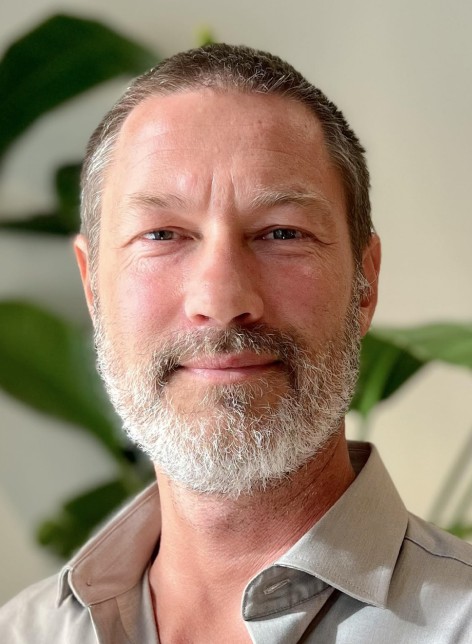
Lowan Stewart, MD
Medical Director (Axonklinikken); Medical Research Advisor (PsykForsk, DPS Nordre Østfold)
11:35–12:20
National Implementation of Ketamine Treatment for Depression in Norway
In the Fall of 2025, Norway became the first country in the world to reimburse racemic ketamine for depression on a national level. This is the story of how and why it happened, and what other countries can learn from the process of building the infrastructure for psychedelic-assisted therapies.
Lowan Stewart, MD
Medical Director (Axonklinikken); Medical Research Advisor (PsykForsk, DPS Nordre Østfold)
11:35–12:20
National Implementation of Ketamine Treatment for Depression in Norway
In the Fall of 2025, Norway became the first country in the world to reimburse racemic ketamine for depression on a national level. This is the story of how and why it happened, and what other countries can learn from the process of building the infrastructure for psychedelic-assisted therapies.
Lowan Stewart, MD
Medical Director (Axonklinikken); Medical Research Advisor (PsykForsk, DPS Nordre Østfold)
12.20-13.05
The Swiss Special Access Program for Psychedelic-Assisted Therapy: Clinical Practice, Challenges, and Future Perspectives
This session explores Switzerland’s pioneering limited medical use programme for psychedelic-assisted therapy, including LSD, psilocybin and MDMA. It examines the regulatory framework, clinical experience, patient selection and ethical considerations, as well as current developments and future challenges for policy and practice.
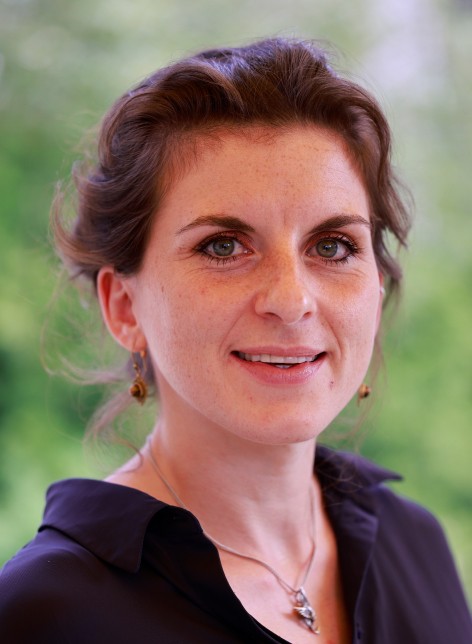
Helena Aicher, PhD
Psychotherapist (Psychiatric Clinic of the University of Zurich); Postdoctoral researcher (University of Zurich)
12.20-13.05
The Swiss Special Access Program for Psychedelic-Assisted Therapy: Clinical Practice, Challenges, and Future Perspectives
This session explores Switzerland’s pioneering limited medical use programme for psychedelic-assisted therapy, including LSD, psilocybin and MDMA. It examines the regulatory framework, clinical experience, patient selection and ethical considerations, as well as current developments and future challenges for policy and practice.
Helena Aicher, PhD
Psychotherapist (Psychiatric Clinic of the University of Zurich); Postdoctoral researcher (University of Zurich)
12.20-13.05
The Swiss Special Access Program for Psychedelic-Assisted Therapy: Clinical Practice, Challenges, and Future Perspectives
This session explores Switzerland’s pioneering limited medical use programme for psychedelic-assisted therapy, including LSD, psilocybin and MDMA. It examines the regulatory framework, clinical experience, patient selection and ethical considerations, as well as current developments and future challenges for policy and practice.
Helena Aicher, PhD
Psychotherapist (Psychiatric Clinic of the University of Zurich); Postdoctoral researcher (University of Zurich)
13:05–14:05
·
Lunch Break
14:05–14:50
Beyond the Molecule: Access, Care Models, and the Future of Psychedelic Care in Europe
The talk explores the path from scientific evidence to equitable access to psychedelic therapies in Europe, including regulatory approvals, reimbursement, professional training and treatment models that go beyond the drug alone. It argues that psychedelic care depends not only on pharmacology, but also on context, relationship, preparation, integration and longer-term support. It also examines Europe’s innovation challenges and the need for a deliberate strategy that translates evidence into reimbursed, equitable and comprehensive care.
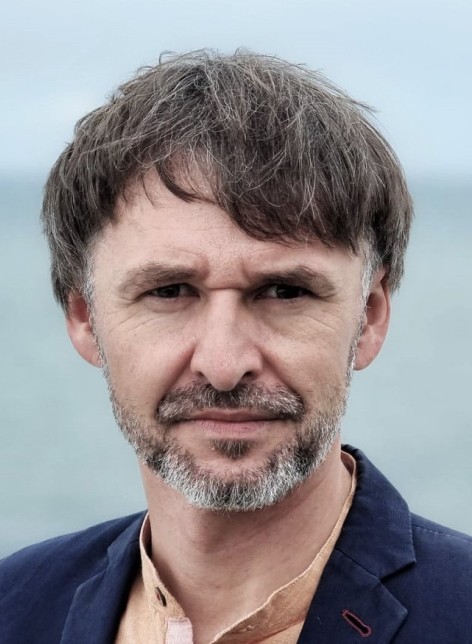
Tadeusz Hawrot
Founder and CEO (PAREA)
14:05–14:50
Beyond the Molecule: Access, Care Models, and the Future of Psychedelic Care in Europe
The talk explores the path from scientific evidence to equitable access to psychedelic therapies in Europe, including regulatory approvals, reimbursement, professional training and treatment models that go beyond the drug alone. It argues that psychedelic care depends not only on pharmacology, but also on context, relationship, preparation, integration and longer-term support. It also examines Europe’s innovation challenges and the need for a deliberate strategy that translates evidence into reimbursed, equitable and comprehensive care.
Tadeusz Hawrot
Founder and CEO (PAREA)
14:05–14:50
Beyond the Molecule: Access, Care Models, and the Future of Psychedelic Care in Europe
The talk explores the path from scientific evidence to equitable access to psychedelic therapies in Europe, including regulatory approvals, reimbursement, professional training and treatment models that go beyond the drug alone. It argues that psychedelic care depends not only on pharmacology, but also on context, relationship, preparation, integration and longer-term support. It also examines Europe’s innovation challenges and the need for a deliberate strategy that translates evidence into reimbursed, equitable and comprehensive care.
Tadeusz Hawrot
Founder and CEO (PAREA)
14:50–15:35
Panel discussion
TBA

Viljar Veede
Psychiatrist (Minu Kliinik); Chairman of the Supervisory Board (TAIP Foundation)

Signe Riisalo
Chair of the Social Affairs Committee (Parliament of Estonia)

Ellen Lurje, MD
Clinical Assessment Specialist (State Agency of Medicines)
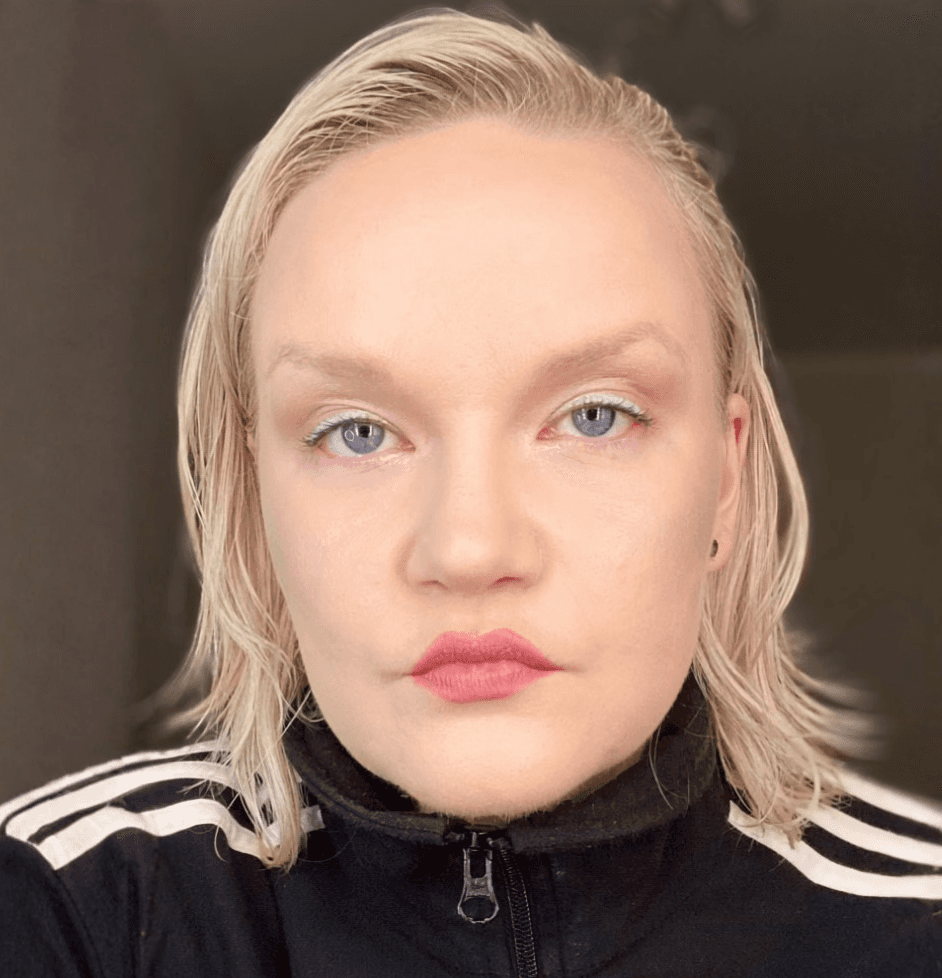
Triin Tasuja
Mental Health Anthropologist (Estonian Mental Health Advocacy Association for Patients & Families)
14:50–15:35
Panel discussion
TBA
Viljar Veede
Psychiatrist (Minu Kliinik); Chairman of the Supervisory Board (TAIP Foundation)
Signe Riisalo
Chair of the Social Affairs Committee (Parliament of Estonia)
Ellen Lurje, MD
Clinical Assessment Specialist (State Agency of Medicines)
Triin Tasuja
Mental Health Anthropologist (Estonian Mental Health Advocacy Association for Patients & Families)
14:50–15:35
Vestlusring
TBA
Viljar Veede
Psychiatrist (Minu Kliinik); Chairman of the Supervisory Board (TAIP Foundation)
Signe Riisalo
Chair of the Social Affairs Committee (Parliament of Estonia)
Ellen Lurje, MD
Clinical Assessment Specialist (State Agency of Medicines)
Triin Tasuja
Mental Health Anthropologist (Estonian Mental Health Advocacy Association for Patients & Families)
15:35–15:45
·
Closing Remarks
13:20–14:20
·
Closing Remarks
15:35–15:45
·
Closing Remarks
Afterglow
Afterglow
16:00–19:00 | Skyline Hall (7th Floor), National Library of Estonia
16:00–19:00 | Skyline Hall (7th Floor), National Library of Estonia
We’ll close the conference in a relaxed and inspiring setting with one of the most beautiful panoramic views of Tallinn. Afterglow offers a chance to slow down, reflect on the past two days of the conference, continue meaningful conversations and connect with fellow participants before heading home. Enjoy great company, breathtaking city views, and the autumn sunset over Tallinn.
The event is open to holders of a 2-day ticket and a 1-day ticket for 9 October.
TAIP Foundation reserves the right to make changes to the programme.
One-day tickets now available · Group discounts for 3–5 participants
Sihtasutus Teraapia Arenduseks ja Innovatsiooniks Psühhedeelikumidega
info@sataip.ee
Sihtasutus Teraapia Arenduseks ja Innovatsiooniks Psühhedeelikumidega
info@sataip.ee
Sihtasutus Teraapia Arenduseks ja Innovatsiooniks Psühhedeelikumidega
info@sataip.ee