Programme
Programme
Day 1 : Scientific Basis and Clinical Studies
Day 1 : Scientific Basis and Clinical Studies
The first day focuses on the scientific foundations and clinical research of psychedelic-assisted therapies. It explores the mechanisms of action of different psychedelic compounds, findings from clinical studies, and the implementation of psychedelic-assisted therapies in clinical practice.
Simultaneous interpretation into English will be provided for all presentations delivered in Estonian.
8:45–09:30
·
Registration & Morning Coffee
09:30–09:35
·
Opening Remarks
09:35–09:50
Why Do We Need New Treatments in Mental Health Care? The Estonian Situation
Doing nothing also has consequences. When existing treatments leave many people behind, exploring safe and evidence-based innovations becomes both a scientific and a moral responsibility.

Anne Kleinberg, MD
Child and adolescent psychiatrist, psychotherapist (Kleinberg); Vice Chair of the Board (Estonian Psychiatric Society)
09:35–09:50
Why Do We Need New Treatments in Mental Health Care? The Estonian Situation
Doing nothing also has consequences. When existing treatments leave many people behind, exploring safe and evidence-based innovations becomes both a scientific and a moral responsibility.
Anne Kleinberg, MD
Child and adolescent psychiatrist, psychotherapist (Kleinberg); Vice Chair of the Board (Estonian Psychiatric Society)
09:35–09:50
Why Do We Need New Treatments in Mental Health Care? The Estonian Situation
Doing nothing also has consequences. When existing treatments leave many people behind, exploring safe and evidence-based innovations becomes both a scientific and a moral responsibility.
Anne Kleinberg, MD
Child and adolescent psychiatrist, psychotherapist (Kleinberg); Vice Chair of the Board (Estonian Psychiatric Society)
09:50–10:35
Keynote
Psychedelics and Psychiatry – Facts, Hope and Fears
This presentation explores how psychedelics such as psilocybin, LSD and DMT affect the brain and what brain imaging studies reveal about their potential in treating depression, addiction, anorexia and OCD. It also examines the implications of these findings for the future of psychedelic medicine.

Prof. David Nutt
Professor of Neuropsychopharmacology and Director of the Neuropsychopharmacology Unit (Imperial College London)
09:50–10:35
Keynote
Psychedelics and Psychiatry – Facts, Hope and Fears
This presentation explores how psychedelics such as psilocybin, LSD and DMT affect the brain and what brain imaging studies reveal about their potential in treating depression, addiction, anorexia and OCD. It also examines the implications of these findings for the future of psychedelic medicine.
Prof. David Nutt
Professor of Neuropsychopharmacology and Director of the Neuropsychopharmacology Unit (Imperial College London)
09:50–10:35
Peaesineja
Psychedelics and Psychiatry – Facts, Hope and Fears
This presentation explores how psychedelics such as psilocybin, LSD and DMT affect the brain and what brain imaging studies reveal about their potential in treating depression, addiction, anorexia and OCD. It also examines the implications of these findings for the future of psychedelic medicine.
Prof. David Nutt
Professor of Neuropsychopharmacology and Director of the Neuropsychopharmacology Unit (Imperial College London)
10:35–11:20
MDMA-Assisted Therapy for PTSD: Clinical Evidence, Therapeutic Mechanisms, and the Emerging Psychedelic Horizon
This talk explores the current evidence for MDMA-assisted therapy in the treatment of post-traumatic stress disorder (PTSD), including findings from Phase 2 and 3 clinical trials involving treatment-resistant populations. It examines the neurobiological mechanisms that may support trauma-focused psychotherapy and contribute to therapeutic outcomes. Drawing on experience from the Cambridge Psychedelic Research Group, the talk also considers the potential of other psychedelic compounds, including psilocybin, for the treatment of trauma-related conditions.

Liliana Galindo, MD, PhD
Consultant Psychiatrist and Medical Leader in Psychosis (Cambridgeshire and Peterborough NHS Foundation Trust); Affiliated Assistant Professor of Psychiatry (University of Cambridge)
10:35–11:20
MDMA-Assisted Therapy for PTSD: Clinical Evidence, Therapeutic Mechanisms, and the Emerging Psychedelic Horizon
This talk explores the current evidence for MDMA-assisted therapy in the treatment of post-traumatic stress disorder (PTSD), including findings from Phase 2 and 3 clinical trials involving treatment-resistant populations. It examines the neurobiological mechanisms that may support trauma-focused psychotherapy and contribute to therapeutic outcomes. Drawing on experience from the Cambridge Psychedelic Research Group, the talk also considers the potential of other psychedelic compounds, including psilocybin, for the treatment of trauma-related conditions.
Liliana Galindo, MD, PhD
Consultant Psychiatrist and Medical Leader in Psychosis (Cambridgeshire and Peterborough NHS Foundation Trust); Affiliated Assistant Professor of Psychiatry (University of Cambridge)
10:35–11:20
MDMA-Assisted Therapy for PTSD: Clinical Evidence, Therapeutic Mechanisms, and the Emerging Psychedelic Horizon
This talk explores the current evidence for MDMA-assisted therapy in the treatment of post-traumatic stress disorder (PTSD), including findings from Phase 2 and 3 clinical trials involving treatment-resistant populations. It examines the neurobiological mechanisms that may support trauma-focused psychotherapy and contribute to therapeutic outcomes. Drawing on experience from the Cambridge Psychedelic Research Group, the talk also considers the potential of other psychedelic compounds, including psilocybin, for the treatment of trauma-related conditions.
Liliana Galindo, MD, PhD
Consultant Psychiatrist and Medical Leader in Psychosis (Cambridgeshire and Peterborough NHS Foundation Trust); Affiliated Assistant Professor of Psychiatry (University of Cambridge)
11:20–11:50
·
Coffee Break
11:50-12:35
From Trip‑Sitting to Extensive Psychotherapy: The Meaning of Therapy in Psychedelic Interventions
The presentation examines how the nature and scope of interventions involving the use of psychedelics are conceptualised across different treatment approaches. It considers the spectrum described by terms ranging from pharmacotherapy and psychological support to psychedelic‑assisted therapy and extensive structured psychotherapy. The focus is on how these differing frameworks shape the meaning and therapeutic effectiveness of the intervention.
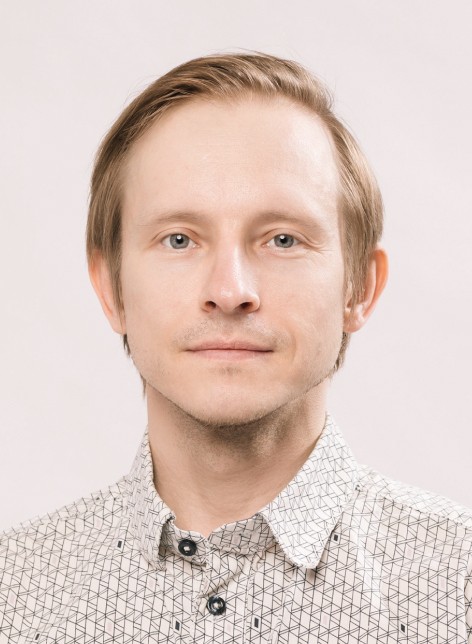
Viljar Veede, MD
Psychiatrist (Minu Kliinik); Chairman of the Supervisory Board (TAIP Foundation)
11:50-12:35
From Trip‑Sitting to Extensive Psychotherapy: The Meaning of Therapy in Psychedelic Interventions
The presentation examines how the nature and scope of interventions involving the use of psychedelics are conceptualised across different treatment approaches. It considers the spectrum described by terms ranging from pharmacotherapy and psychological support to psychedelic‑assisted therapy and extensive structured psychotherapy. The focus is on how these differing frameworks shape the meaning and therapeutic effectiveness of the intervention.
Viljar Veede, MD
Psychiatrist (Minu Kliinik); Chairman of the Supervisory Board (TAIP Foundation)
11:50-12:35
From Trip‑Sitting to Extensive Psychotherapy: The Meaning of Therapy in Psychedelic Interventions
The presentation examines how the nature and scope of interventions involving the use of psychedelics are conceptualised across different treatment approaches. It considers the spectrum described by terms ranging from pharmacotherapy and psychological support to psychedelic‑assisted therapy and extensive structured psychotherapy. The focus is on how these differing frameworks shape the meaning and therapeutic effectiveness of the intervention.
Viljar Veede, MD
Psychiatrist (Minu Kliinik); Chairman of the Supervisory Board (TAIP Foundation)
12:35–13:20
Panel discussion
A Therapist’s Perspective on Psychedelic-Assisted Therapy Training
In this discussion, four mental health professionals will share their experiences of the OPEN Foundation’s ADEPT programme and the MIND Foundation’s APT programme. They will discuss the learning process, the skills and responsibilities involved, and how the training is shaping their understanding of psychedelic-assisted therapy. This session is in estonian.

Kaire Valgeväli
Gestalt psychotherapist (Psychotherapist)

Ethel Rosenfeldt
Psychological counselor (Elu Hoiab)

Dr Triin Arbo
Child and Adolescent Psychiatrist (Tasapisitasakaal)

Viktoria Saat
Psychologist, coach (Viktoria Saat Consulting)
12:35–13:20
Vestlusring
A Therapist’s Perspective on Psychedelic-Assisted Therapy Training
In this discussion, four mental health professionals will share their experiences of the OPEN Foundation’s ADEPT programme and the MIND Foundation’s APT programme. They will discuss the learning process, the skills and responsibilities involved, and how the training is shaping their understanding of psychedelic-assisted therapy. This session is in estonian.
Kaire Valgeväli
Gestalt psychotherapist (Psychotherapist)
Ethel Rosenfeldt
Psychological counselor (Elu Hoiab)
Dr Triin Arbo
Child and Adolescent Psychiatrist (Tasapisitasakaal)
Viktoria Saat
Psychologist, coach (Viktoria Saat Consulting)
12:35–13:20
Panel discussion
A Therapist’s Perspective on Psychedelic-Assisted Therapy Training
In this discussion, four mental health professionals will share their experiences of the OPEN Foundation’s ADEPT programme and the MIND Foundation’s APT programme. They will discuss the learning process, the skills and responsibilities involved, and how the training is shaping their understanding of psychedelic-assisted therapy. This session is in estonian.
Kaire Valgeväli
Gestalt psychotherapist (Psychotherapist)
Ethel Rosenfeldt
Psychological counselor (Elu Hoiab)
Dr Triin Arbo
Child and Adolescent Psychiatrist (Tasapisitasakaal)
Viktoria Saat
Psychologist, coach (Viktoria Saat Consulting)
13:20–14:20
·
Lunch Break
14:20-15:05
Conversation between psychiatrist and patient
This session is in Estonian.
Viljar Veede, MD
Psychiatrist (Minu Kliinik); Chairman of the Supervisory Board (TAIP Foundation)
14:20-15:05
Conversation between psychiatrist and patient
This session is in Estonian.
Viljar Veede, MD
Psychiatrist (Minu Kliinik); Chairman of the Supervisory Board (TAIP Foundation)
14:20-15:05
Conversation between psychiatrist and patient
This session is in Estonian.
Viljar Veede, MD
Psychiatrist (Minu Kliinik); Chairman of the Supervisory Board (TAIP Foundation)
15:05–15:50
Implementing Psychedelic Therapies into the Healthcare System Today – Lessons of Five Years of Clinical Work with Ketamine and (Recently) Psilocybin in Germany
For many, psychedelic-assisted therapy in clinical settings still feels decades away. This talk outlines how the OVID Clinic Berlin is already making it a reality — as Europe's first psychedelic day clinic integrated into Germany's healthcare system.

Dr. med. Andrea Jungaberle
Chief Medical Officer (OVID Clinic Berlin); Co-founder and advisory board member (MIND Foundation)
15:05–15:50
Implementing Psychedelic Therapies into the Healthcare System Today – Lessons of Five Years of Clinical Work with Ketamine and (Recently) Psilocybin in Germany
For many, psychedelic-assisted therapy in clinical settings still feels decades away. This talk outlines how the OVID Clinic Berlin is already making it a reality — as Europe's first psychedelic day clinic integrated into Germany's healthcare system.
Dr. med. Andrea Jungaberle
Chief Medical Officer (OVID Clinic Berlin); Co-founder and advisory board member (MIND Foundation)
15:05–15:50
Psühhiaatri ja patsiendi vestlus
For many, psychedelic-assisted therapy in clinical settings still feels decades away. This talk outlines how the OVID Clinic Berlin is already making it a reality — as Europe's first psychedelic day clinic integrated into Germany's healthcare system.
Dr. med. Andrea Jungaberle
Chief Medical Officer (OVID Clinic Berlin); Co-founder and advisory board member (MIND Foundation)
15:50–16:20
·
Coffee Break
16:20–17:05
Psychedelic Treatments in Psychiatry: Promises, Challenges and European Collaborations To Address Them
The session explores the potential of psychedelic-assisted therapy for patients who do not respond to current mental health treatments. It highlights two major European research projects, PsyPal and INTEGRATE, and examines the challenges that must be addressed to ensure the safe and effective implementation of psychedelic treatments.

prof. dr. R.A. Robert Schoevers
Professor of Psychiatry and Head of Department Psychiatry (University Medical Center Groningen)
16:20–17:05
Psychedelic Treatments in Psychiatry: Promises, Challenges and European Collaborations To Address Them
The session explores the potential of psychedelic-assisted therapy for patients who do not respond to current mental health treatments. It highlights two major European research projects, PsyPal and INTEGRATE, and examines the challenges that must be addressed to ensure the safe and effective implementation of psychedelic treatments.
prof. dr. R.A. Robert Schoevers
Professor of Psychiatry and Head of Department Psychiatry (University Medical Center Groningen)
16:20–17:05
Psychedelic Treatments in Psychiatry: Promises, Challenges and European Collaborations To Address Them
The session explores the potential of psychedelic-assisted therapy for patients who do not respond to current mental health treatments. It highlights two major European research projects, PsyPal and INTEGRATE, and examines the challenges that must be addressed to ensure the safe and effective implementation of psychedelic treatments.
prof. dr. R.A. Robert Schoevers
Professor of Psychiatry and Head of Department Psychiatry (University Medical Center Groningen)
17:05–17:15
·
Closing Remarks
13:20–14:20
·
Closing Remarks
17:05–17:15
·
Closing Remarks
Synapse Lounge
Synapse Lounge
20:00–00:00 | F-Hoone, Black Hall, Telliskivi Creative City
20:00–00:00 | F-Hoone, Black Hall, Telliskivi Creative City
After the first day of the conference, the evening continues in a relaxed and inspiring atmosphere. Synapse Lounge is an informal gathering where you can meet speakers, fellow participants and the organising team, continue conversations sparked during the day, and make new connections. Enjoy a live DJ, a welcoming lounge atmosphere, complimentary light snacks, and a cash bar.
The event is open to holders of a 2-day ticket and a 1-day ticket for 8 October.
TAIP Foundation reserves the right to make changes to the program.
One-day tickets now available · Group discounts for 3–5 participants
Sihtasutus Teraapia Arenduseks ja Innovatsiooniks Psühhedeelikumidega
info@sataip.ee
Sihtasutus Teraapia Arenduseks ja Innovatsiooniks Psühhedeelikumidega
info@sataip.ee
Sihtasutus Teraapia Arenduseks ja Innovatsiooniks Psühhedeelikumidega
info@sataip.ee